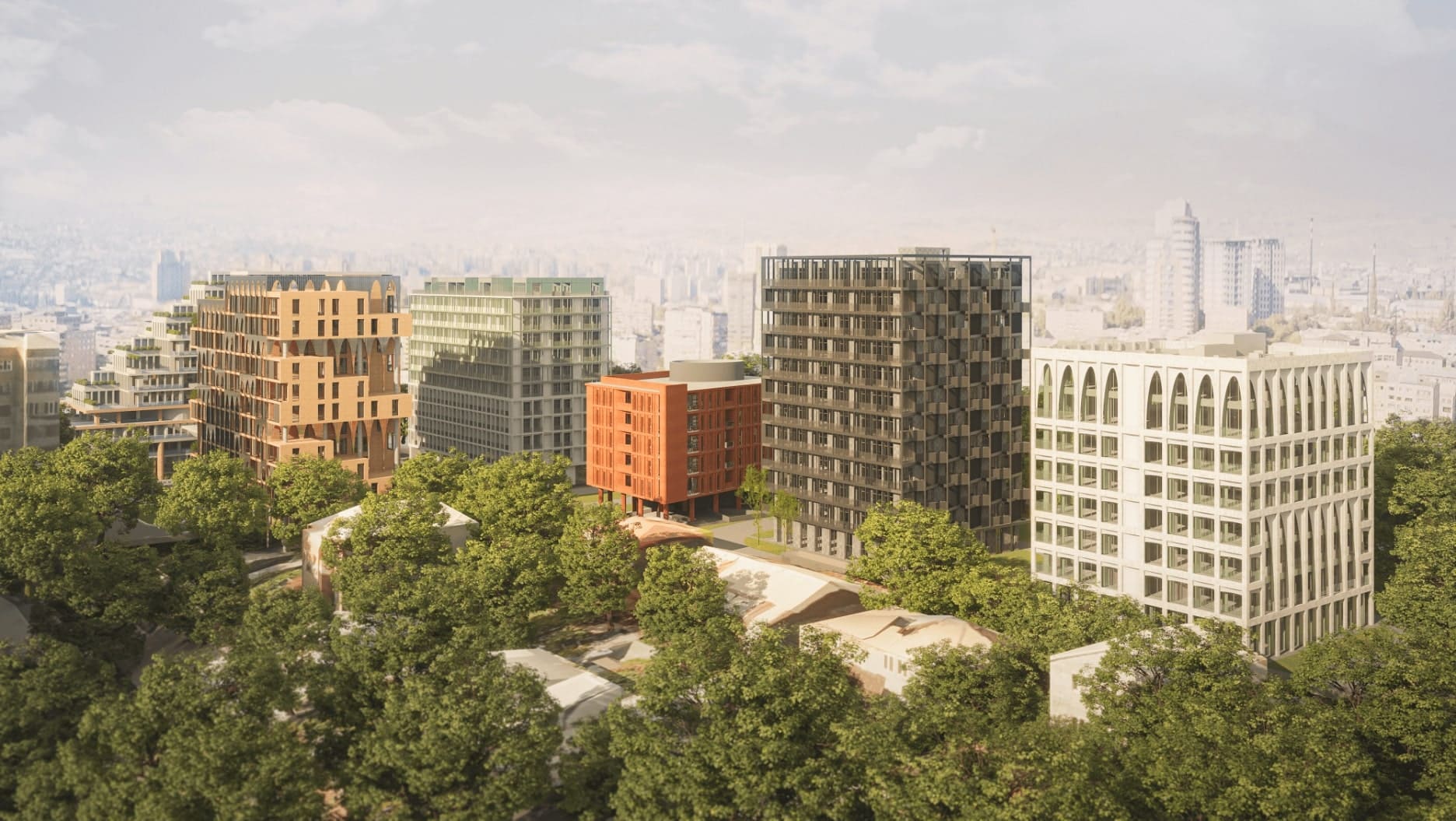
Architecture is not only a means of creating functional structures but also an environment that profoundly impacts human emotions, mood, and overall well-being. The architectural features of a neighborhood, whether residential or public spaces, can shape people’s perceptions, behavior, and even social interactions. This article explores how neighborhood architectural elements, green spaces, building design, lighting, and spatial structure—influence human emotions.
Green Spaces
Green spaces in a neighborhood play a crucial role in residents’ psychological well-being. Interaction with nature reduces stress and uplifts mood. For instance, tree-lined streets or open green areas encourage walking, contributing to both physical and mental health.
Building Design and Structure
The shape, height, and arrangement of buildings significantly affect a neighborhood’s overall atmosphere. High-rise, densely built areas can create a sense of confinement, especially if open spaces or natural light are lacking. In contrast, low-rise buildings with courtyards, balconies, or large windows foster feelings of freedom and comfort. For example, Scandinavian-style neighborhoods, which emphasize natural light and functionality, are often positively perceived by residents.
Lighting and Colors
Lighting is a key architectural element that significantly influences emotions. Well-lit neighborhoods, whether with natural or artificial light, create an atmosphere of safety and hospitality. Conversely, dark, poorly lit streets can evoke anxiety or fear. Colors also play an important role. Buildings painted in warm tones can inspire joy and energy, while cooler tones promote calmness. The right combination of colors in a neighborhood can create a harmonious and pleasant environment.
Public Spaces
Neighborhood architecture can either encourage or hinder social interactions. Public spaces like plazas, cafes, or community centers promote engagement and connection among residents. For example, well-equipped benches, playgrounds, or areas designed for outdoor events foster community building. On the other hand, neighborhoods lacking public amenities or dominated by transitional zones may push residents toward isolation.
Acoustic Environment
The acoustic environment is also a part of architecture. Noisy streets with heavy traffic can cause stress and anxiety, while quiet, sound-insulated spaces promote relaxation. Architects can use soundproof materials, green walls, or water features to reduce noise and create a pleasant acoustic environment.
The architectural features of a neighborhood from green spaces to building design, lighting, and colors play a vital role in shaping residents’ emotions and quality of life. Thoughtfully designed architecture can create comfortable, harmonious, and community-oriented environments, while neglected or monotonous designs can negatively impact psychological well-being. In urban planning and architecture, it is essential to consider human emotions to create neighborhoods that are not only functional but also promote happiness and well-being.
Did this article helps you?
Related articles
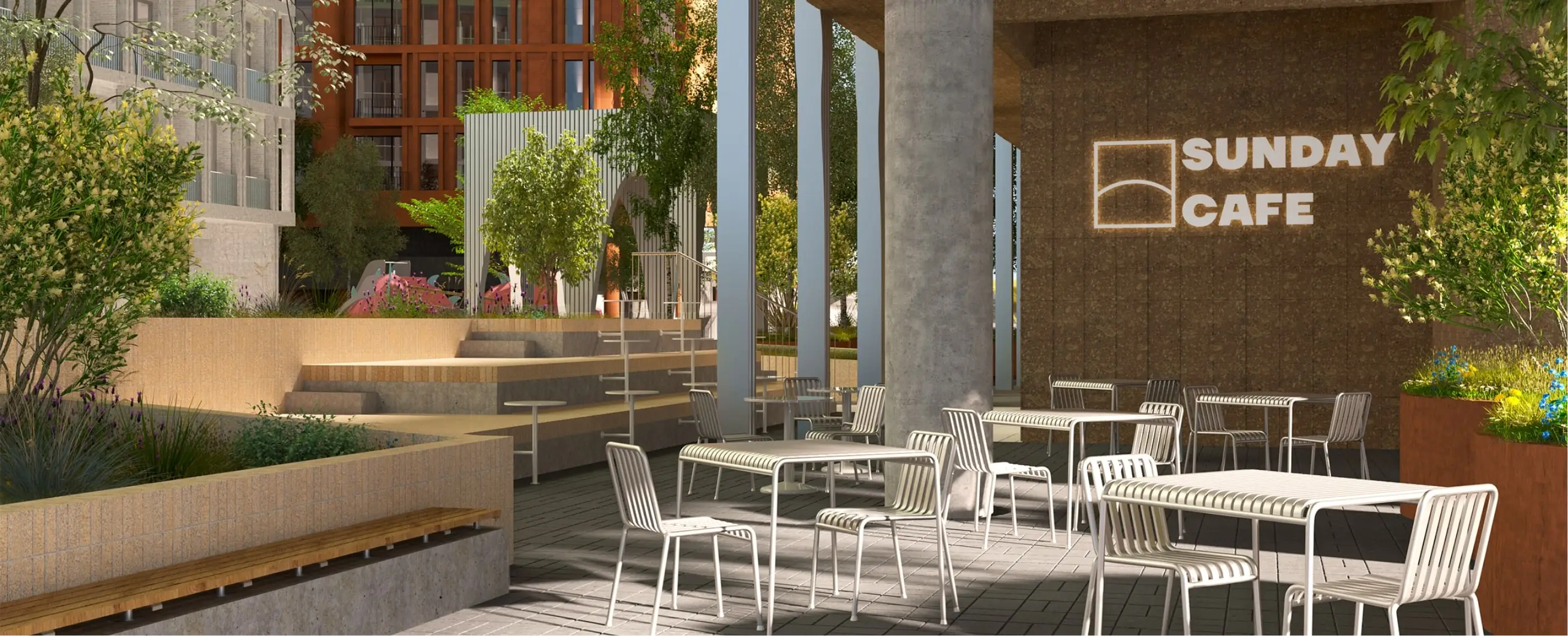
The Role of Restaurants and Cafes in Modern Residential Complexes
In modern urban life, restaurants and cafes have become not only places for eating or relaxing, but also social and cultural centers. Today, people choose restaurants and cafes not only for delicious dishes or quality coffee, but also for the atmosphere, comfort, and accessibility. Even residential complexes now prioritize the presence of such spaces, viewing them as vital components of social life and community culture. Why Restaurants and Cafes Are Important in Residential Complexes For residents, choosing an apartment is not just about walls and ceilings. It is a choice related to lifestyle, comfort, and time-saving. Restaurants and cafes located within the residential complex offer a range of advantages:Accessibility: Cafes right in the complex save time and energy, especially for busy professionals and young families. Community Building: These places become meeting points for residents, promoting social connections and community spirit. Lifestyle Enhancement: High-end restaurants and cafes allow residents to enjoy all the conveniences of modern urban life.All this significantly increases the attractiveness of new-build apartments, turning them into not just places to live, but full-fledged living spaces. The modern buyer, when choosing an apartment from a developer, expects more than just a comfortable residence; they seek a lifestyle where everything is thoughtfully designed for convenience and balance. Restaurants and cafes located within the complex or in its immediate vicinity allow residents to save time and enjoy daily life without unnecessary travel. Using Sunday Towers as an example, residents here can easily organize friendly evenings, family dinners, or business meetings—staying within the boundaries of their own community. In addition, restaurants and cafes contribute to activating social life; they become places for neighbors to meet, communicate, and create new connections. Thus, they not only enrich the complex’s infrastructure but also form a unified, warm community environment.Cafes and Restaurants at Sunday TowersSunday Towers, which will be one of Yerevan’s modern residential complexes, is a perfect example of how restaurants and cafes can enhance the appeal of a living space. The new-build apartments at Sunday Towers offer not only modern housing but also a complete lifestyle. Residents of this residential complex can enjoy the benefits of restaurants and cafes. The apartments at Sunday Towers are designed so that residents are constantly connected to the vibrant urban environment. For example, the cafes in the complex can become an integral part of residents’ daily routines—whether for morning coffee or a family dinner.Thus, Sunday Towers is not just a new-build apartment but a symbol of a new quality of life—where comfort and community psychology are intertwined with the culture of the modern city.
December 21, 2025
Coworking Space in The Residential Complex: An Integral Part of Modern Living
In today’s world, where work is increasingly shifting to hybrid formats, coworking spaces are becoming an essential component of residential complexes. These spaces not only create a productive work environment but also foster community building, relaxation, and stronger social connections. Why is it important to have a coworking space in a residential complex? What advantages do these solutions offer?Residents, especially remote workers, often face the challenge of maintaining focus or motivation when working from home. A coworking space within a residential complex addresses this issue by providing a comfortable workplace right next to home. This approach is significant for several reasons:Flexibility and Time SavingsResidents can quickly transition to work, saving valuable time. This is particularly relevant in densely populated cities like Yerevan, where traffic congestion can cost 1–2 hours daily.Comfortable EnvironmentCoworking spaces are equipped with modern technology—high-speed Wi-Fi, ergonomic furniture, and relaxation zones. This helps avoid the clutter of a home “workstation” and creates a professional atmosphere.New ConnectionsThese spaces encourage interaction among neighbors and foster new relationships. A coworking space in a residential complex can serve as a “social hub,” hosting networking events and activities, ultimately building a strong community.Cost EfficiencyFor residents, coworking spaces are often more affordable than renting a separate office.Overall, a coworking space in a residential complex transforms a simple “living” space into an integrated “live-and-work” environment. Studies show that such solutions increase resident satisfaction by 20–30%, especially in the era of remote work. Features of the Coworking Space at Sunday Towers Sunday Towers, a residential complex under construction in Yerevan’s Arabkir district at 1/3 Gevorg Vardanyan Street, is already setting a new standard for modern residential living. The complex consists of six unique buildings combining minimalist architecture, functionality, and high safety standards with 9-point seismic resistance. Panoramic views, centralized heating and cooling systems, green spaces, a swimming pool, and spa zones—everything is designed for residents’ comfort. A key highlight of this premium environment is the integrated coworking space, located within the complex’s over 15,000 square meters of indoor infrastructure. It is designed for those who value efficient work, flexible time management, and a comfortable environment. The main advantages of the coworking space at Sunday Towers include:Technological AmenitiesThe coworking space will be equipped with state-of-the-art technology and ergonomic furniture, fully aligned with Sunday Towers’ high standards. High-speed internet, workstations, and meeting rooms are designed to enhance focus and comfort. In an era where working from home often leads to distractions, this coworking space offers an ideal solution, providing both physical and psychological comfort. This is especially valuable for freelancers, startup teams, and creative professionals.Community EnvironmentThe coworking space at Sunday Towers is more than just a workplace—it’s a hub for building community connections. It will host networking events, seminars, and community gatherings, fostering interaction, idea exchange, and collaboration among residents. This creates a vibrant, dynamic, and friendly environment.The coworking space at Sunday Towers redefines the concept of the residential complex, transforming it into a fully integrated “live-and-work” environment. If you’re looking for a place where modern living becomes a daily reality, Sunday Towers offers it with high comfort, harmony, and endless possibilities.
December 21, 2025
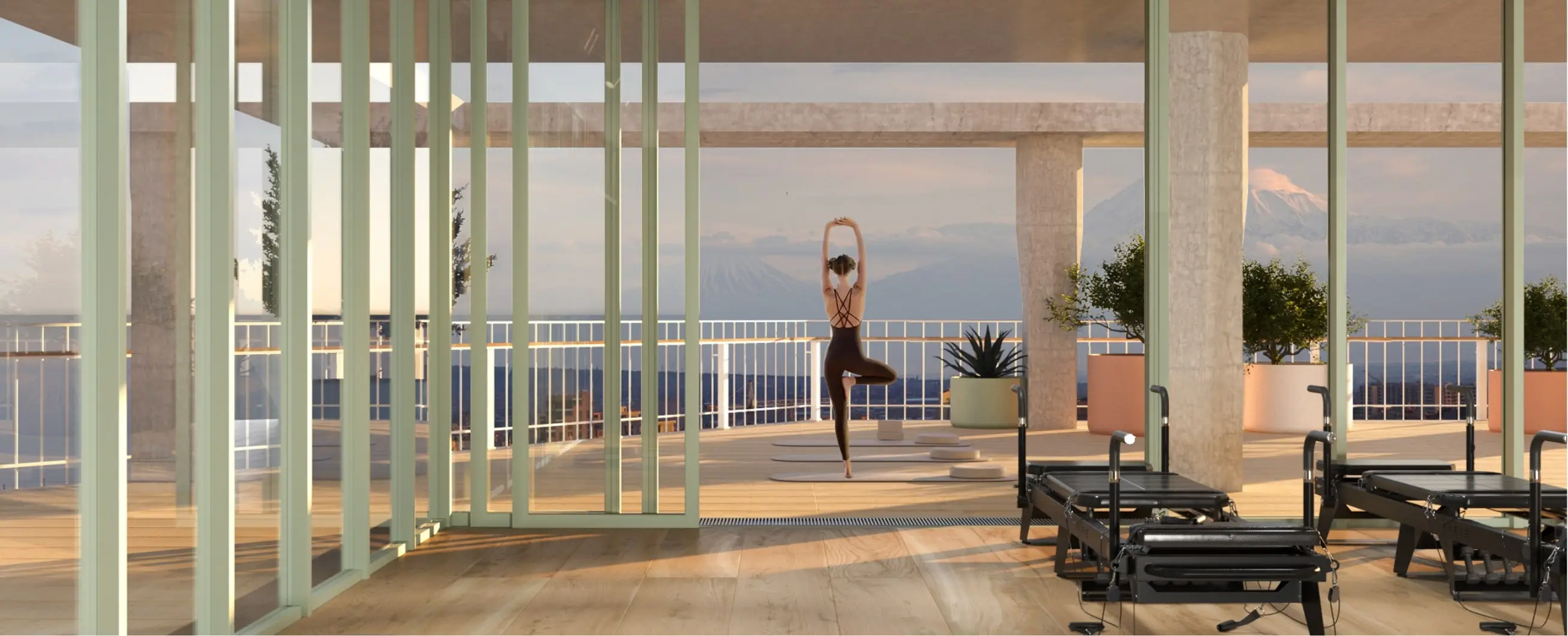
Modern Gym at Sunday Towers Residential Complex
Healthy Lifestyle A healthy lifestyle has become a philosophy of living in the modern world, transcending mere diet or physical activity choices. It encompasses a harmonious blend of physical, mental, and social well-being, contributing to an enhanced quality of life. In today’s fast-paced world, where stress levels are rising and urban environments are becoming denser, a healthy lifestyle is no longer a luxury but a necessity. Modern residential complexes, developed by builders, are no longer limited to just apartments. They are evolving into comprehensive ecosystems that include amenities designed to promote a healthy lifestyle. The Importance of a Healthy Lifestyle and Gyms in Residential Complexes A healthy lifestyle supports not only physical health but also mental balance and social well-being. It includes regular physical activity, a balanced diet, adequate sleep, stress management, and strengthened social connections. Physical activity, made possible in modern gyms, helps prevent conditions such as cardiovascular diseases, diabetes, and obesity, while mental health practices combat stress, anxiety, and depression. In urban environments, where time constraints and pressure are commonplace, gyms within residential complexes play a vital role in promoting healthy habits. Modern residential complexes are designed to make gyms easily accessible, saving residents time and resources. Moreover, such complexes foster community bonds, as residents can participate in group classes or other activities held at the gym. Sunday Towers, consisting of six unique buildings, exemplifies a modern residential complex where a healthy lifestyle becomes an integral part of daily life. This complex is designed to allow residents to seamlessly combine work, relaxation, and healthy habits without wasting time or energy. With its state-of-the-art gym, swimming pool, and spa zones, Sunday Towers creates an environment where every resident can care for their body, mind, and soul. Modern Gym: The Foundation of an Active Lifestyle The modern gym at Sunday Towers will be equipped with cutting-edge facilities to meet the needs of both beginners and experienced athletes. Additionally, the complex will feature a Pilates and yoga club, which not only supports physical health but also promotes mental balance. This gym will serve as more than just a place for physical activity—it will be a hub for community building. Group classes, such as yoga or Pilates sessions, will provide residents with opportunities to connect, share common interests, and strengthen social ties. One of the key advantages is that the gym is located within the Sunday Towers complex itself. This means residents can work out at any time that suits them. This convenience allows for seamless integration of physical activity into daily life, no matter how busy one’s schedule may be. Residents can plan workouts in the morning before work or in the evening after a long day, all without leaving the complex. The gym at Sunday Towers will also feature a modern design with spacious, well-lit areas, creating a pleasant and motivating atmosphere. Advanced ventilation systems, comfortable changing rooms, and modern restrooms will ensure maximum comfort during workouts. Thus, the gym at Sunday Towers will not only help residents maintain a physically and mentally healthy lifestyle but also serve as a community hub where they can forge new friendships and enjoy the benefits of an active life. This gym will become a cornerstone for health, well-being, and strengthen social connections, right at home. Why Choose Sunday Towers? Sunday Towers’ modern infrastructure, including its state-of-the-art gym, makes it an ideal choice for those seeking new apartments combined with comfortable and functional solutions. If you’re looking for a residential space where a healthy lifestyle becomes an integral part of your daily routine, Sunday Towers is the perfect choice. Here, you’ll find everything you need—from physical activity to mental relaxation.
December 21, 2025
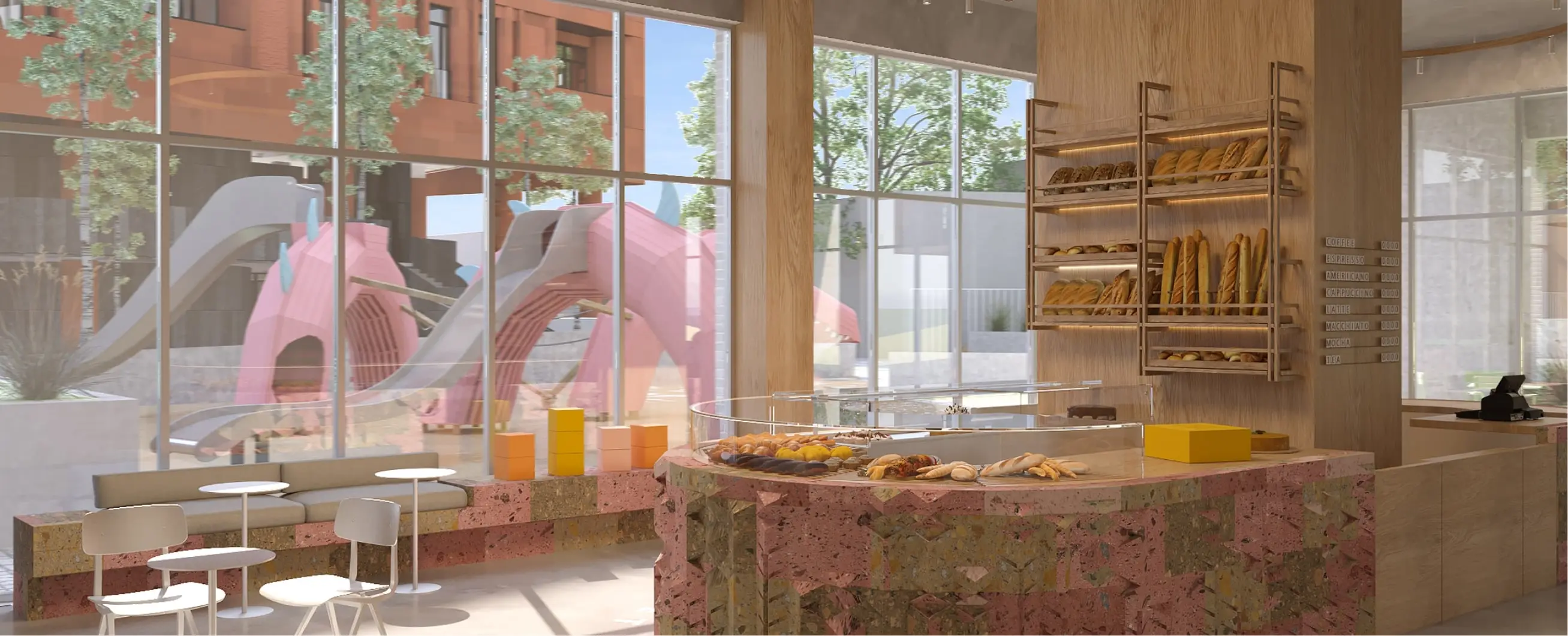
Children’s Development Center
The Children’s Development Center at Sunday Towers will be a unique space designed for the development of children’s intellectual, creative, and social skills. This center will not just be a play area, but an educational hub where children can participate in various programs. Parents can be confident that their children are in a safe and caring environment where their development is the top priority. Modern Playground The green courtyard of Sunday Towers will be a true fairytale place for children.. It will be spacious, eco-friendly, and equipped with a modern playground designed for children of different age groups. Additionally, the courtyard area is monitored by a 24/7 surveillance system, giving parents complete peace of mind that their children will play in a safe environment.The playground is designed so that your children feel comfortable and secure, allowing them to play freely without parental worry. The green courtyard is also an excellent spot for family relaxation—parents can unwind in the landscaped area while the children play on the playground. All of this creates a community environment where children make new friends, and parents form new connections. Why is the Presence of a Children’s Development Center and Playground Important? The presence of a Children’s Development Center and playground in a residential complex is important for several reasons: Comprehensive Development: The Children’s Development Center enables children to develop intellectual, creative, and social skills. The playground, in turn, promotes physical activity, which is essential for children’s health and proper energy management. The combination of these two elements creates a balanced environment where children can grow up healthy and happy. Safety and Confidence: The Sunday Towers playground and club are located within the complex with a high level of security system. This allows parents to relax, knowing their children are playing and learning in a controlled and safe environment.Time Savings for Parents: Having the development center and playground inside the complex means parents don’t need to take their children elsewhere for educational or recreational programs. This saves time and energy, allowing parents to focus on their work or rest. Community Building: The playground and club become the heart of the community, where children meet each other, and parents can build connections. This creates a friendly and supportive environment that is vital for the quality of family life.Alignment with Modern Life Demands: Modern families seek residential areas that offer not only comfortable apartments but also integrated infrastructure. Sunday Towers’ Children’s Development Club and playground meet these demands, creating a lifestyle where convenience and children’s well-being are paramount.Why Choose Sunday Towers?Sunday Towers is not just a residential complex, it's a lifestyle centered on family well-being. The Children’s Development Club and playground create an environment where children can learn and have fun, while simultaneously providing parents with the necessary time and peace of mind. The complex also offers modern sports centers, landscaped gardens, and a high level of security, making it the perfect choice for family life in Yerevan. Sunday Towers is not just a residential complex—it’s a lifestyle centered on family well-being.
December 21, 2025
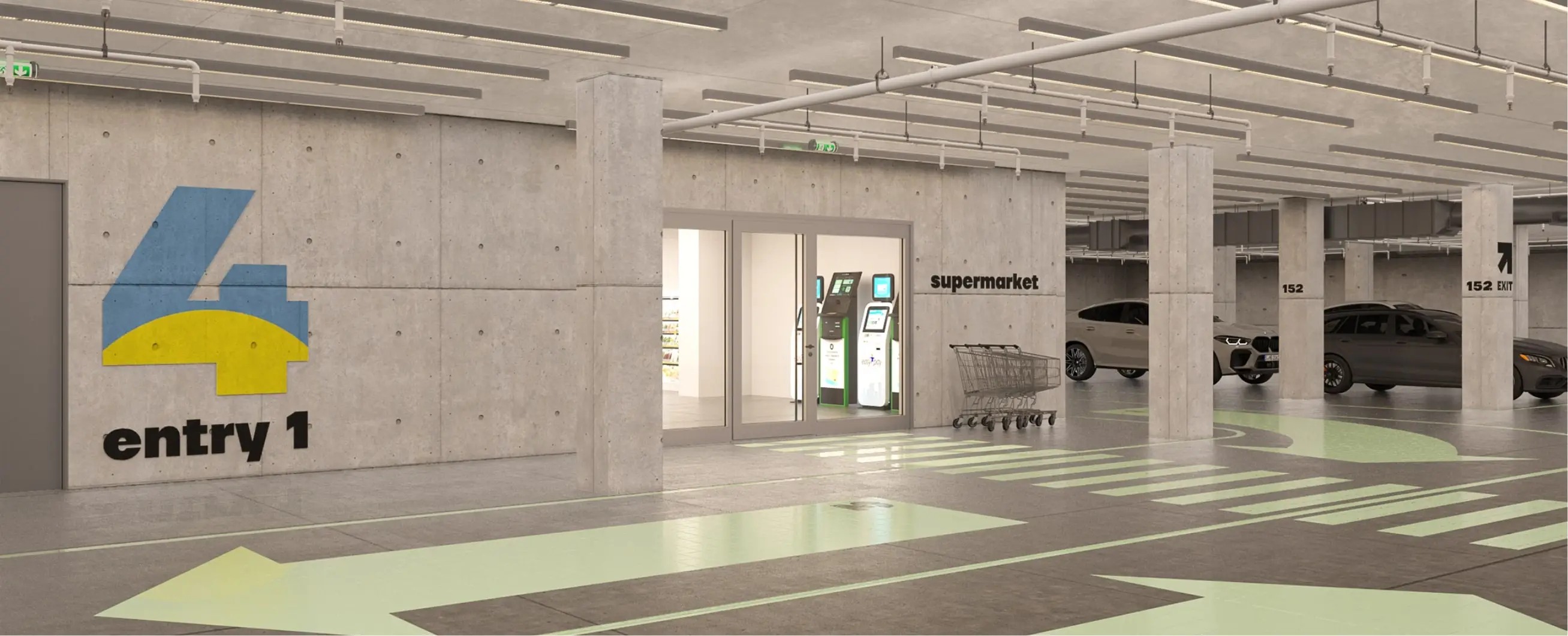
Three-Story Parking at Sunday Towers
Modern urban life, especially in densely populated capitals like Yerevan, presents new challenges for residents related to infrastructure, transportation accessibility, and everyday convenience. When choosing a residential complex, residents now prioritize not only the design, location, or overall aesthetics of new apartments but also critical factors such as energy efficiency, safety, proximity to transportation hubs, and, of course, well-organized parking facilities. These factors not only enhance the quality of life but also play a pivotal role in the decision to purchase or rent apartments from developers.Yerevan’s Infrastructure Challenges As Armenia’s capital and economic hub, Yerevan faces issues such as heavy traffic, limited street parking, and overburdened urban spaces. Finding a parking spot in the city center or nearby areas often becomes a time-consuming and stressful process. In this context, modern residential complexes must offer more than just standard parking spaces—they need to provide smart, functional, and resident-oriented solutions. For instance, underground or multi-story parking facilities equipped with modern technologies, such as automated entry systems, surveillance cameras, and energy-efficient lighting, can significantly improve residents’ daily lives.Moreover, proximity to transportation hubs is a key factor in a residential complex’s appeal. In Yerevan, where the public transportation system is still developing, most residents rely on private vehicles, increasing the demand for parking spaces. Residential complexes located near metro stations, bus stops, or major roads are more attractive as they ensure convenient and quick mobility. However, the absence of well-organized parking can become a significant drawback, reducing a complex’s appeal. The Role of DevelopersThe real estate market in Yerevan is becoming increasingly competitive, and developers must offer comprehensive solutions to stand out. Modern residential complexes should not only meet residents’ daily needs but also address the city’s broader challenges, such as the growing number of vehicles and the shortage of parking spaces. The lack of parking can significantly impact apartment choices, as most modern families own at least one car, and in some cases, multiple vehicles.In this context, developers must invest not only in the quality of new apartments but also in the overall infrastructure of the complex. Smart parking systems, energy-saving solutions, and high-level security measures are becoming the standards that distinguish ordinary residential complexes from modern, premium-class ones.Sunday Towers: Modern SolutionsSunday Towers stands out in Yerevan’s real estate market with its modern infrastructure and resident-focused solutions. Particularly noteworthy is its three-story underground parking facility, designed with the city’s density, the growing number of vehicles, and residents’ comfort in mind.Advantages of the Three-Story ParkingThe parking facility at Sunday Towers consists of three underground levels, capable of accommodating over 700 vehicles. This structure not only saves space but also provides residents with convenient and secure access to their apartments. Each level is equipped with modern elevators, staircases, and security systems. These solutions ensure that residents can easily and quickly park their vehicles without worrying about safety or limited space.Comfort and FunctionalityThe three-story parking at Sunday Towers is designed to meet the needs of modern families. For example, it is tailored to accommodate multi-vehicle households, which is especially important in cities like Yerevan, where the number of cars exceeds the capacity of street parking.Why Choose Sunday Towers?Sunday Towers’ modern infrastructure, including its three-story parking, makes it an ideal choice for those seeking new apartments combined with convenient and functional solutions.In Yerevan, where parking issues remain a constant concern, Sunday Towers offers not only ample space but also a smart, secure, and eco-friendly approach. All of this ensures that residents’ daily lives are comfortable, seamless, and enjoyable.If you are looking for a residential complex where new apartments meet modern standards and the infrastructure and parking fully satisfy your needs, Sunday Towers is your best choice.
December 1, 2025
Your Family’s Best Housing Plan
Choosing the perfect apartment for your family is a significant and responsible decision that requires careful thought, planning, and clear prioritization. How can you find an apartment that meets your family’s needs, ensures comfort, and becomes your dream home? This article discusses the key factors to consider when creating a housing plan and provides practical advice to make the best choice for your family. Define Your Needs and PrioritiesThe first step is to assess your family’s needs. Every family is unique, and what’s important to one may be secondary to another. Discuss the following questions:Family size: How many bedrooms are needed? Do children need separate rooms, or can they share? Disabilities or special needs: Are there family members who require wheelchair-accessible spaces or an elevator?Proximity to work and education: Where do you work, and where do your children study? Choosing a location that reduces commuting time and costs is key.Leisure and daily needs: Do you need nearby shops, parks, gyms, or medical facilities?By clarifying these points, you can create a priority list that will serve as the foundation of your housing plan.Budget PlanningFinancial considerations play a crucial role in choosing an apartment. It’s important to account not only for the apartment’s price but also for ongoing expenses, such as:Mortgage or rent: How much can you allocate monthly for housing?Utilities: Heating, electricity, water, and other costs may vary depending on the apartment’s size and condition.Additional expenses: Consider costs like parking, security services, or renovations.It’s recommended to set a budget that accounts for about 30-40% of your family’s monthly income for housing expenses. If opting for a mortgage, research bank offers and choose the most favorable interest rate.Location SelectionThe apartment’s location is often more important than its interior layout. Finding a balance between convenience and affordability is essential. Consider:Proximity to the city center: Apartments in the city center are usually more expensive but offer better access to services.Quiet neighborhoods: For families with young children, a safe, quiet area with playgrounds and green spaces is ideal.Transportation access: Evaluate nearby public transport stops, road conditions, and the likelihood of traffic congestion.In Armenia, for example, Yerevan’s various neighborhoods offer apartments at different price points and conditions. The city center is ideal for families with an active lifestyle, while areas like Arabkir or Davtashen may be more family-oriented.Long-Term PlanningWhen choosing an apartment, think beyond the present and consider the future. If your family grows, will the apartment still meet your needs in 5-10 years? Could you sell or rent the apartment if circumstances change?The best housing plan for your family depends on the right combination of your needs, budget, and future vision. By investing time in planning and research, you can find an apartment that becomes your family’s warm home. After all, a home is not just walls—it’s the place where your family’s most beautiful memories are created.
December 1, 2025